Optimal Ergonomic Desk Posture for Avoiding Neck Pain
Spending long hours at a desk can take a toll on your neck. I’ve been there myself—feeling that nagging stiffness and discomfort after a day of intense focus. But here’s the good news: you can prevent neck pain by adopting the right ergonomic desk posture. It’s not about being perfect all the time; it’s about making small, smart adjustments that protect your neck and keep you comfortable.
Let’s dive into how you can set up your workspace and position yourself to avoid neck pain, boost your productivity, and feel great throughout your day.
Why Ergonomic Desk Posture Matters
Ergonomics is all about designing your workspace to fit your body’s needs. When your desk, chair, and computer are arranged correctly, you reduce strain on your muscles and joints. This is especially important for your neck, which supports your head all day long.
Poor posture can cause your neck to bend forward or tilt awkwardly. Over time, this leads to muscle fatigue, tension headaches, and even chronic pain. On the other hand, an ergonomic desk posture helps maintain the natural curve of your spine and keeps your neck aligned with your shoulders.
Here’s what an ergonomic desk posture looks like in practice:
Your feet rest flat on the floor or on a footrest.
Your knees are at or slightly below hip level.
Your back is supported by the chair’s lumbar support.
Your shoulders are relaxed, not hunched.
Your elbows are close to your body and bent at about 90 degrees.
Your computer screen is at eye level, about an arm’s length away.
By following these guidelines, you’ll reduce unnecessary tension and keep your neck comfortable.
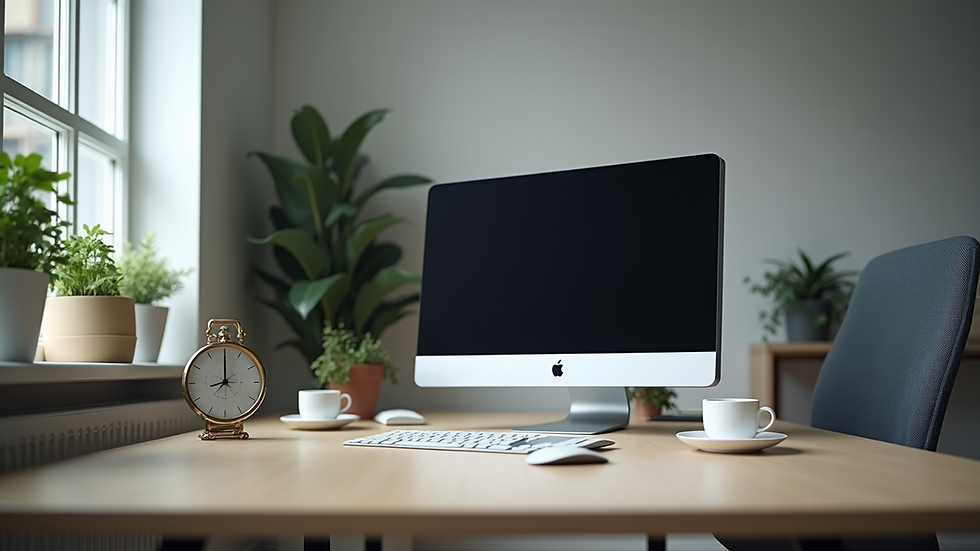
How to Adjust Your Workspace for Ergonomic Desk Posture
Adjusting your workspace might seem overwhelming, but it’s easier than you think. Start with your chair and desk height. If your chair is too low or too high, it throws off your whole posture. Here’s a simple checklist:
Chair Height: Adjust so your feet are flat on the floor. If your feet dangle, use a footrest.
Back Support: Use a chair with good lumbar support or add a cushion to maintain the natural curve of your lower back.
Desk Height: Your desk should allow your elbows to rest comfortably at a 90-degree angle.
Monitor Position: Place your monitor directly in front of you, with the top of the screen at or just below eye level.
Keyboard and Mouse: Keep them close enough so you don’t have to reach forward, which strains your shoulders and neck.
Don’t forget to take breaks! Every 30 minutes, stand up, stretch, or walk around. This helps relieve muscle tension and improves circulation.
What is Desk Neck Syndrome?
Desk neck syndrome is a common condition caused by prolonged poor posture while working at a desk. It’s characterized by neck pain, stiffness, and sometimes headaches. The root cause is often the forward head posture—where your head juts out in front of your shoulders instead of sitting directly above them.
This posture increases the load on your neck muscles and spine. Imagine holding a bowling ball with your arms extended versus close to your body. The farther forward your head leans, the heavier it feels to your neck muscles.
Symptoms of desk neck syndrome include:
Persistent neck pain or soreness
Tightness in the upper back and shoulders
Reduced range of motion in the neck
Headaches that start at the base of the skull
The good news is that desk neck syndrome is preventable and treatable. By improving your ergonomic desk posture and incorporating regular movement, you can ease symptoms and protect your neck from future problems.

Simple Exercises to Support Your Neck Health
Even with the best ergonomic setup, your neck needs movement to stay healthy. Here are some easy exercises you can do at your desk or during breaks:
Chin Tucks: Sit tall and gently tuck your chin toward your chest. Hold for 5 seconds and release. Repeat 10 times. This strengthens deep neck muscles.
Neck Side Bends: Slowly tilt your head toward one shoulder, hold for 10 seconds, then switch sides. Repeat 3 times each side.
Shoulder Rolls: Roll your shoulders forward and backward in slow circles. Do 10 rolls in each direction to release tension.
Upper Trapezius Stretch: Place one hand behind your back and gently tilt your head away from that side. Hold for 15 seconds and switch sides.
Incorporate these stretches into your daily routine to keep your neck muscles flexible and strong.
Tips for Maintaining Good Posture Throughout the Day
It’s easy to slip into bad habits when you’re focused on work. Here are some practical tips to help you maintain good posture all day:
Set reminders: Use your phone or computer to remind you to check your posture every 30 minutes.
Use a headset: If you spend a lot of time on the phone, use a headset instead of cradling the phone between your ear and shoulder.
Adjust your screen brightness: Straining to see your screen can cause you to lean forward. Make sure your screen is bright enough and free of glare.
Stay hydrated: Drinking water helps keep your muscles hydrated and less prone to stiffness.
Move regularly: Stand up, stretch, or walk around every hour to reduce muscle fatigue.
By being mindful and proactive, you’ll protect your neck and improve your overall comfort.
Your Path to a Pain-Free Neck Starts Today
Taking care of your neck is essential, especially if you spend hours at a desk. By setting up an ergonomic workspace, practicing good posture, and moving regularly, you can avoid the discomfort and limitations of neck pain.
If you’re struggling with persistent neck pain, consider consulting a professional who understands the unique needs of athletes, professionals, and touring artists. Personalized, evidence-based chiropractic care can make a big difference in your recovery and performance.
Remember, small changes add up. Start with one adjustment today and build from there. Your neck will thank you!
For more detailed guidance on desk posture for neck pain, check out this helpful resource.
Feel free to share your own tips or questions about ergonomic desk posture in the comments below. Let’s keep our necks healthy and pain-free together!